
Baking
As both my mom and grandma taught me to bake, it is very special to me. I love to experiment with different flavors and recipes and make adjustments as I go. My favorite part of baking is how simple ingredients can be transformed into something new. Flour, sugar, salt, baking powder, butter, milk can become cakes, cookies, breads, pies, muffins - the possibilities seem endless. It’s also a quicker project, as it typically only takes a few hours at most. Plus, you get the reward of a sweet treat at the end. Yet, baking is even more than this. From a recreational therapy point of view, it allows the baker to:
Feel more grounded:
The senses of smell, sight, touch, taste, and even sound (cue those hand mixers and immersion blenders) are often used in baking - this sensory aspect helps bring us into our own reality, and can help soothe our anxieties and stresses (Ang, 2022).
Stimulate cognition:
Baking requires exact measurements and the use of measuring cups. If we are doubling, tripling, or cutting the recipe in half, then mathematical equations are necessary. Using math activates multiple regions of our brain, such as the parietal and frontal lobes. Seniors with mild-moderate dementia who engaged in “cooking art activities” displayed a cognitive increase (Jung, et al., 2011).
Reminisce:
The smells of baking can bring back memories that evoke joy. Smell is one of the primary senses used in baking. Memories that smell evoke are often more emotional than those from other senses (Herz and Schooler, 2002; Groes, 2016, p. 39). This could be because the emotional centers of the brain are close to those that process smell and taste(Verbeek and Van Campen, 2013, p. 140).
Feel a sense of accomplishment:
When we bake, we wind up with a tangible product that we can see, appreciate, consume, and share with others. This can make us feel capable and improve our self-confidence (Haley and McKay, 2004).
Encourage social interactions:
When we bake, we often create enough food to share with others (Ang, 2022).
Feel a sense of belonging:
baking “comfort foods” from our childhood helps us to feel connected to loved ones and less lonely (Troisi and Gabriel, 2011, pg. 751; Troisi and Wright, 2017, pg. 82).
Some of My Favorite Recipes
Sugar Spun Run’s Thumbprint cookies - I love these cookies and make them every holiday season. They also require rolling the dough in your palms, which adds an extra tactile element. This can lead to feeling more present and less stressed.
Once Upon A Chef’s Pumpkin Bread - This bread always gets me in an autumnal mood, and it’s moist! The scent of it baking may even be a little aromatherapy for you, too. :) I often add some extra spices and cut the sugar a bit.
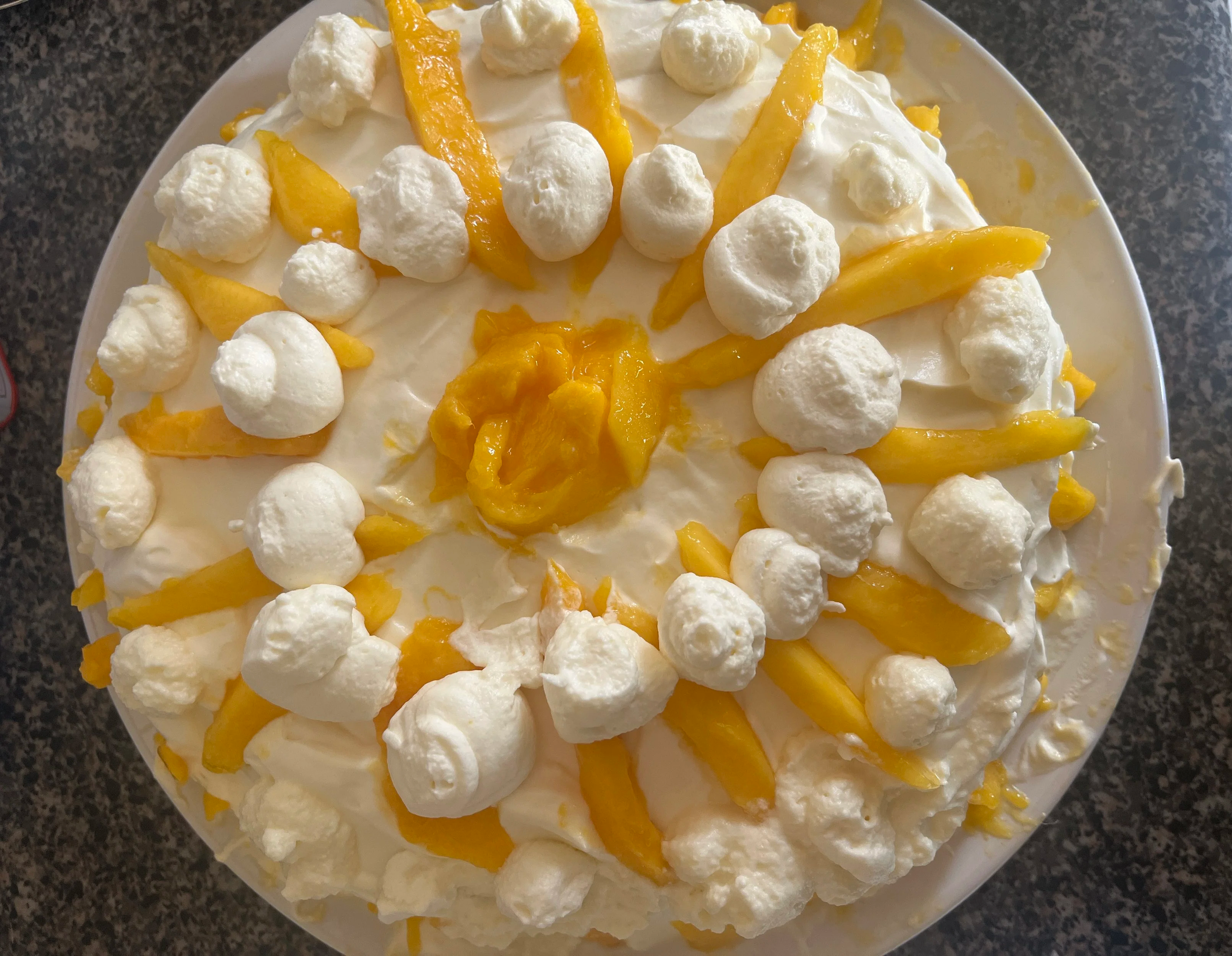
Catherine Zhang’s Mango Sponge Cake - I originally made this cake for a roommate’s birthday, but it has since become a fan favorite. The steam bath you give the cake could make you feel like you’re in a steam room as well…or maybe that’s just my experience.
Sally’s Baking Addiction’s Big Fat Peanut Butter Oatmeal Chocolate Chip Cookies -These are my favorite comfort cookies. I like cookies with a lot of oompf, and this recipe satisfies that desire. I typically add a dash of cinnamon to enhance the flavors.
Love and Lemons Homemade Granola - I use pumpkin seeds instead of nuts because I’m allergic to tree nuts, and it tastes delicious.
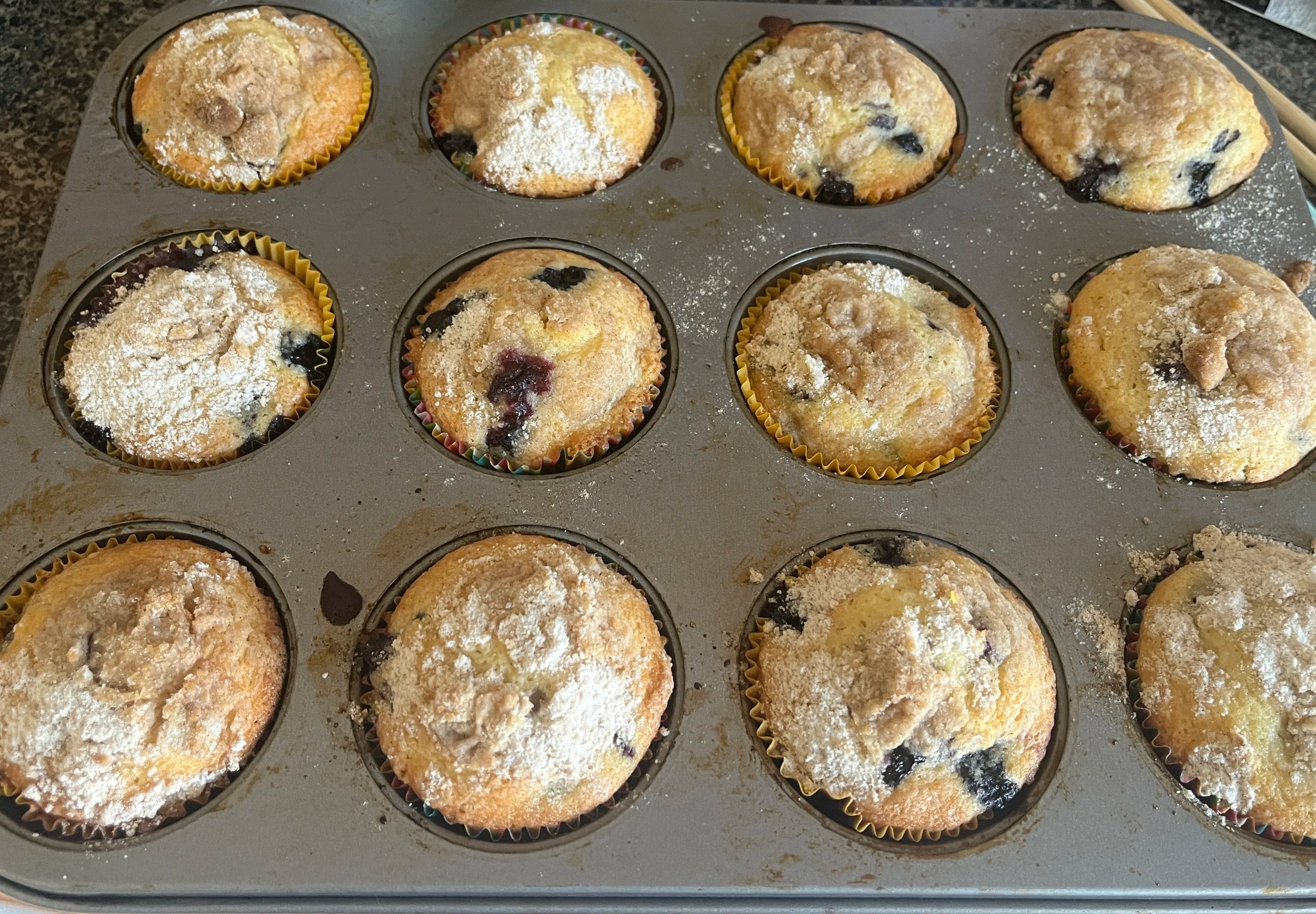
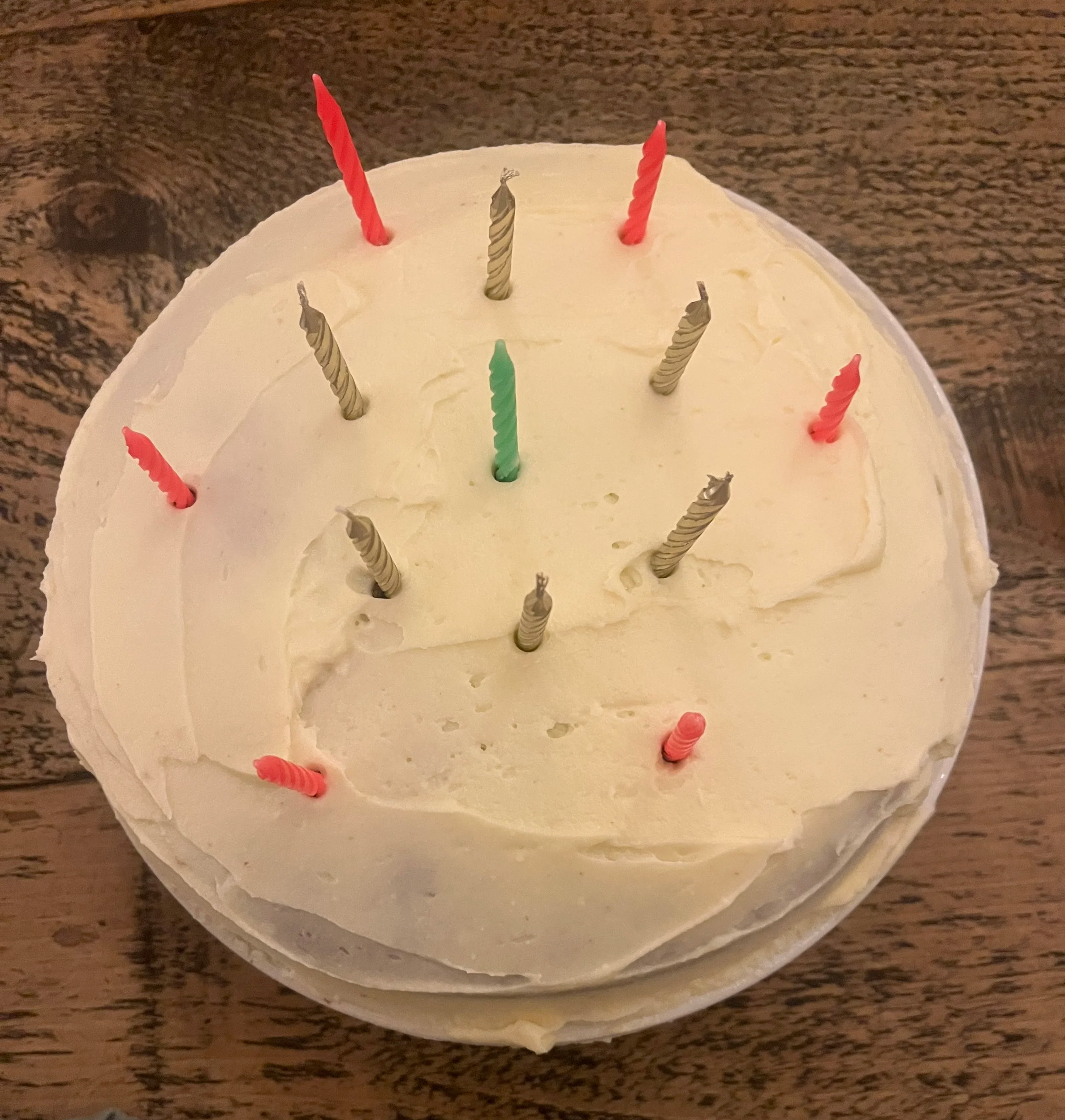
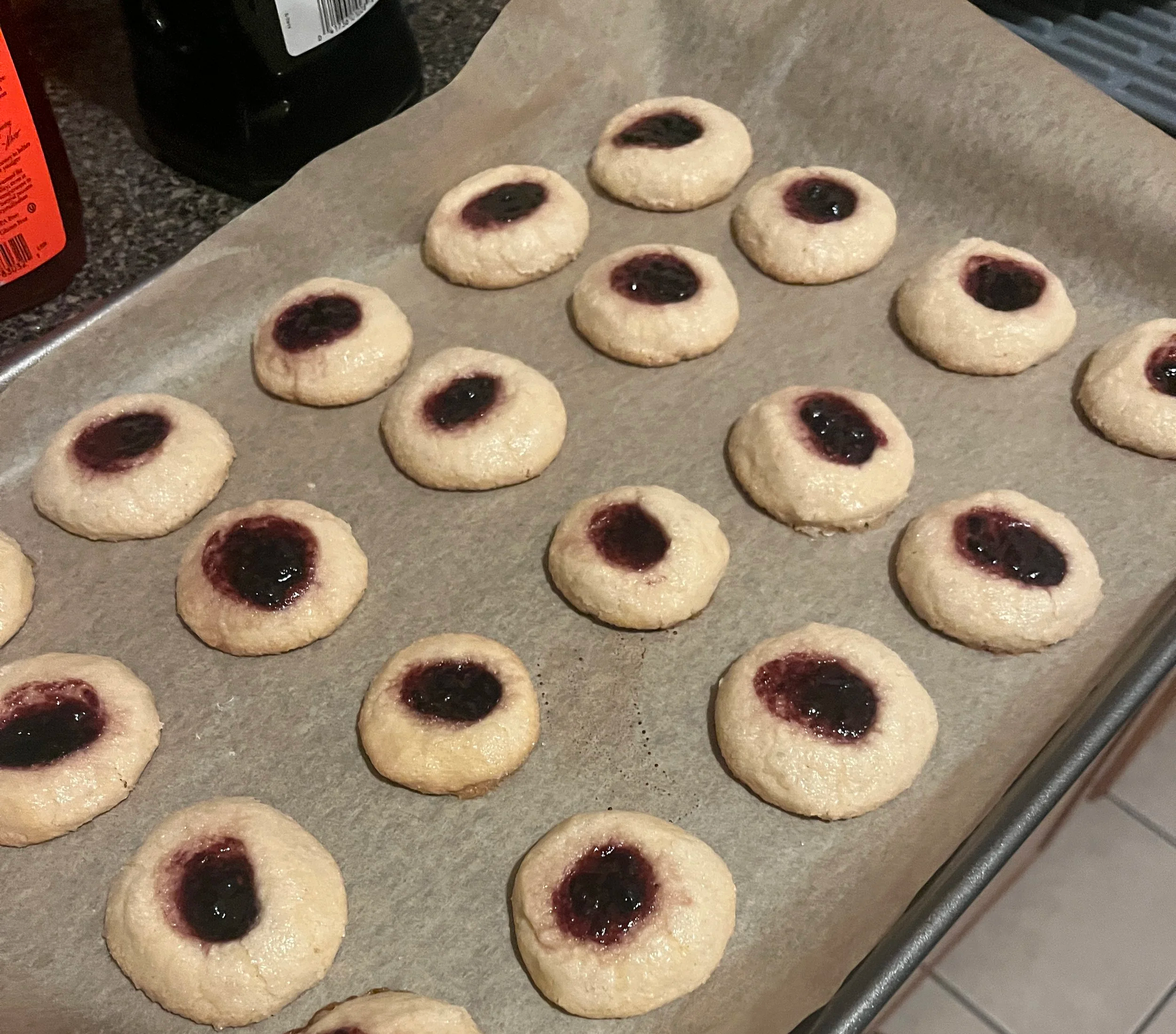
There are so many recipes to explore. Let your own tastes and interests be your guide. Share your favorite with us, and maybe we’ll try it out. :)
Some Tips by Rachael:
Have fun with baking! I encourage you to let go of any pressure to make a perfect product and to embrace the joy of creating.
Cut the sugar! I have a sweet tooth, but it’s not as sweet as most recipes. I’ve found that if I cut the sugar from a recipe in half or only use 2/3rds of the sugar suggested, the recipe still comes out delicious. In fact, I like it better and receive feedback that it’s nice that the dessert is “not too sweet”. In my opinion, less sugar allows the recipe’s other flavors to shine a little more.
Add a dash of cinnamon to accentuate those flavors as well.
Don’t be afraid of substitutions. I am constantly replacing regular milk with coconut or oat milk or omitting nuts due to dietary restrictions.
That being said, if you’re replacing all-purpose flour with gluten-free flour, you may need to make some additional adjustments to ensure your baked good doesn’t end up dry and crumbly. No one likes that.